Unlock the Benefits of VR Stress Relief

Stress is something we all face. But what if I told you there’s a way to step out of your daily worries and into a calming, immersive world? Virtual reality (VR) is not just for gamers anymore. It’s becoming a powerful tool for stress relief, offering an accessible escape that feels almost like magic. Let’s dive into how VR can transform your approach to managing stress and why it might just be the relief you’ve been searching for.
Discovering the Benefits of VR Stress Relief
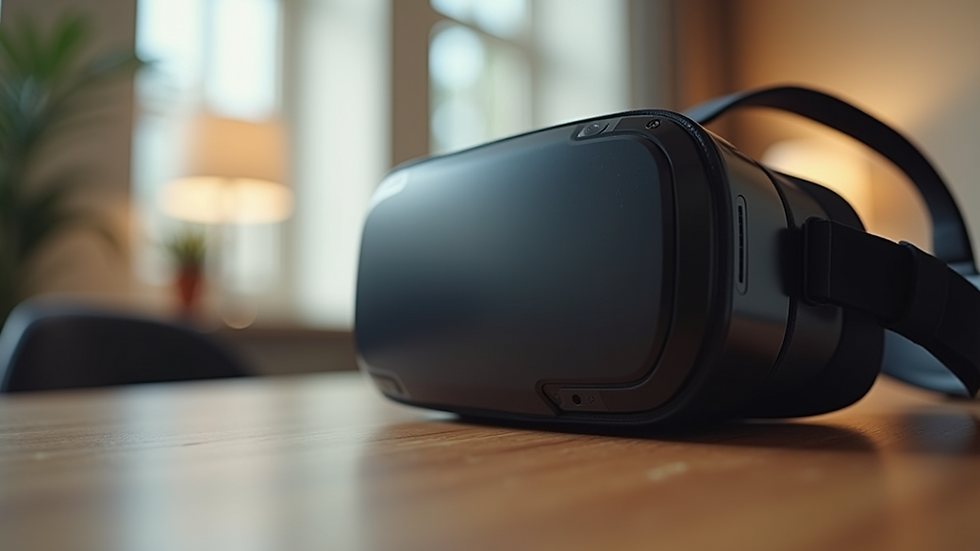
Imagine slipping on a headset and instantly being transported to a serene beach at sunset or a quiet forest filled with the gentle rustle of leaves. That’s the power of VR stress relief. It’s not just about distraction; it’s about creating a space where your mind can reset and recharge.
Here’s why VR is making waves in stress management:
Immersive relaxation: VR surrounds you with sights and sounds that engage your senses fully, making it easier to let go of tension.
Accessible anytime, anywhere: No need to book a spa day or travel to a retreat. Your stress relief sanctuary is right at your fingertips.
Science-backed techniques: Many VR programs incorporate mindfulness, breathing exercises, and guided meditation, all proven to reduce stress.
Engagement and motivation: The interactive nature of VR keeps you coming back, turning stress relief into a habit rather than a chore.
For example, I’ve tried a few VR experiences that simulate peaceful environments combined with calming audio. The effect? A noticeable drop in my heart rate and a clearer mind after just 10 minutes. It’s like a mini-vacation for your brain.
How VR Creates a Calming Escape
What makes VR so effective for stress relief? It’s all about presence—the feeling that you are truly somewhere else. When your brain believes you’re in a peaceful place, it starts to relax your body naturally.
Think about the last time you were outside in nature. Maybe you felt the warmth of the sun, heard birds chirping, or smelled fresh pine. VR can replicate these sensory experiences, tricking your brain into calming down.
Some VR programs even use biofeedback, where sensors track your breathing or heart rate and adjust the experience to help you relax more deeply. It’s like having a personal stress coach guiding you through every breath.
If you want to try this yourself, the stressaway vr experience offers a beautifully designed virtual environment that combines nature scenes with guided relaxation techniques. It’s a perfect example of how technology and mindfulness can work hand in hand.
Is VR Good for Anxiety?
Anxiety and stress often go hand in hand, and VR is showing promising results in helping with both. But is it really effective for anxiety?
The answer is yes, in many cases. VR provides a controlled environment where you can face anxiety triggers safely or simply escape overwhelming feelings. For example:
Exposure therapy: VR can simulate situations that cause anxiety, allowing gradual and safe exposure to reduce fear.
Mindfulness and meditation: VR programs guide you through calming exercises that help manage anxious thoughts.
Distraction and grounding: When anxiety spikes, VR can redirect your focus to soothing visuals and sounds, grounding you in the present moment.
Research supports these benefits. Studies have found that VR-based interventions can reduce anxiety symptoms significantly, sometimes even more effectively than traditional methods. Plus, the convenience of using VR at home means you can practice stress relief whenever you need it most.
Practical Tips for Using VR to Manage Stress
Ready to give VR stress relief a try? Here are some tips to get the most out of your experience:
Choose the right environment: Pick VR experiences that resonate with you—whether it’s a beach, mountain, or cozy cabin. The more you enjoy the setting, the more effective it will be.
Set a regular schedule: Consistency helps build resilience. Even 10-15 minutes daily can make a big difference.
Combine with breathing exercises: Use VR programs that include guided breathing or meditation to deepen relaxation.
Create a comfortable space: Find a quiet spot where you won’t be disturbed. Dim the lights and sit comfortably.
Limit distractions: Turn off notifications and let others know you’re taking time for yourself.
Listen to your body: If you feel dizzy or uncomfortable, take a break. VR should feel good, not overwhelming.
By integrating VR into your routine, you’re not just escaping stress—you’re training your mind to handle it better over time.

Embracing a New Era of Stress Management
Stress relief doesn’t have to be complicated or expensive. With VR, you have a tool that’s both innovative and approachable. It’s like having a personal retreat that fits in your backpack.
The future of stress management is here, and it’s virtual. Whether you’re dealing with daily pressures or occasional overwhelm, VR offers a fresh way to find calm. It’s not about escaping reality forever but about giving yourself the space to breathe, reset, and come back stronger.
So why not take a moment today? Put on a headset, dive into a peaceful world, and unlock the benefits of VR stress relief. Your mind and body will thank you.
Ready to explore? Check out the stressaway vr experience and start your journey to instant, effective stress relief.


Comments